Source Modern Leather Folder for Manager and Attorney
Find a modern leather folder for manager and attorney needs among 30 available options. Compare PU and genuine leather materials, A4 sizes, and zipper features to select the ideal document organizer for professional use.
Key considerations
Products List
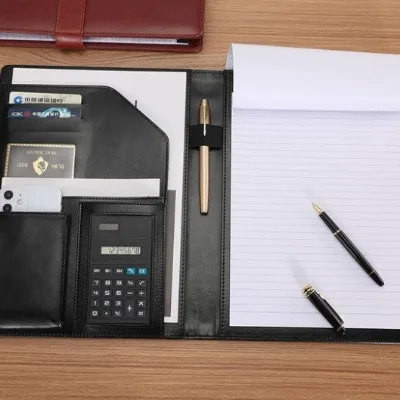
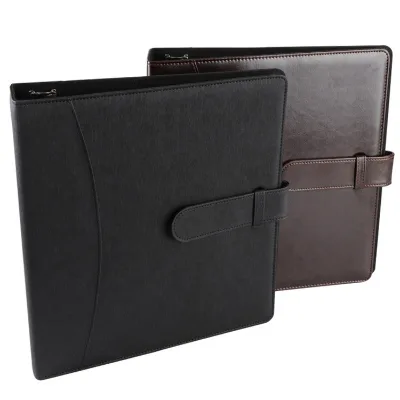


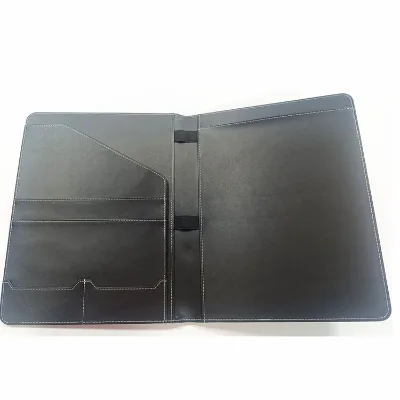
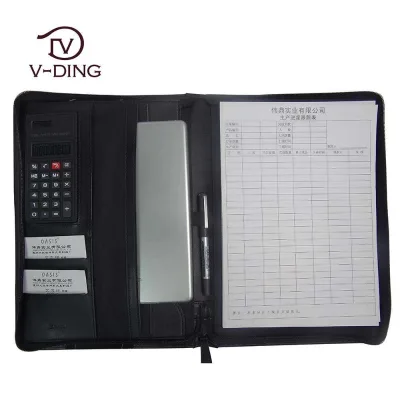
Comprehensive Sourcing Guide
Modern Leather Folder for Manager and Attorney Sourcing Guide
Sourcing high-quality organizational tools for legal and executive environments requires a nuanced understanding of material durability, aesthetic professionalism, and functional utility. The modern leather folder for manager and attorney is not merely a container for documents but a critical component of professional presentation and workflow efficiency. Buyers must navigate a market where terminology often blurs the lines between rigid binders, soft portfolios, and flexible document bags. This guide synthesizes observed market data and trusted category knowledge to help procurement specialists identify products that meet the rigorous demands of corporate and legal sectors. By focusing on verified specifications and commercial realities, buyers can mitigate the risk of receiving products that fail to deliver the expected level of sophistication and longevity.
The procurement process for these items is heavily influenced by the specific use case, whether for client meetings, court appearances, or internal executive reviews. The observed product landscape includes a wide variety of configurations, from single-ply document bags to multi-ply organizers with zipper closures. Understanding these distinctions is vital for aligning product selection with user needs. For instance, a folder intended for frequent travel may require robust zipper mechanisms and water-resistant materials, while a desk-bound executive folder might prioritize aesthetic finish and internal compartmentalization. This guide provides a structured approach to evaluating these variables, ensuring that the final selection supports both the functional requirements of the user and the brand image of the organization.
Product Scope and Observed Listing Signals
The current market for professional document organizers presents a diverse array of products that often share similar visual characteristics but differ significantly in construction and utility. Observed listings reveal a price range of $0.01 to $10.53 USD, indicating a broad spectrum of quality tiers and material compositions. This variance suggests that buyers must look beyond surface-level aesthetics to understand the underlying value proposition. Products labeled as "leather" may range from genuine leather to PU (polyurethane) or even plastic-based materials, each offering different durability profiles and price points. The presence of brands such as JMZ and various model numbers like GY95 and W-360 highlights the fragmented nature of the supply chain, where private labeling and generic manufacturing coexist.
Functional attributes observed in the market further complicate the selection process. Listings indicate a mix of features, including zipper closures, clip mechanisms, and various ply configurations. Some products are described as "single-ply" or "network" type document bags, while others are marketed as "multi-ply" organizers. The material composition varies from PU leather to plastic, with colors ranging from standard black and blue to assorted options. These signals suggest that buyers must carefully verify the actual material and construction details rather than relying solely on marketing terms. The availability of customization options, such as embossed logos or hot-stamped branding, adds another layer of complexity, requiring buyers to assess the feasibility and cost implications of personalization.
Technical Specifications to Verify
When evaluating technical specifications, the first critical step is to confirm the material composition and its implications for durability and appearance. While many products are marketed under the umbrella of "leather," it is essential to distinguish between genuine leather, PU leather, and synthetic alternatives. The observed data includes products made from PU and plastic, which offer different levels of water resistance, flexibility, and wear tolerance. Buyers should request material samples or detailed specifications to ensure that the chosen product aligns with the expected lifespan and aesthetic standards. For instance, PU leather may provide a consistent look and easier maintenance, whereas genuine leather offers a premium feel that may develop a patina over time.
Size and capacity are equally important technical factors that directly impact usability. The market offers a variety of sizes, including A4 standard formats and specialized dimensions such as "New XL memo pad folder" or "long calculator folder." These variations cater to different document types, from standard letter-sized papers to larger legal documents or technical manuals. Buyers must verify the internal dimensions and the number of compartments or pockets to ensure that the folder can accommodate the necessary files, notebooks, and accessories. Additionally, features such as zipper presence, clip mechanisms, and lock options should be confirmed, as these elements affect security and ease of access. The observed listings show a mix of products with and without zippers, highlighting the need for precise specification matching.
Compliance and Safety Documentation
Compliance and safety documentation are often overlooked in the procurement of office accessories, yet they play a crucial role in ensuring product safety and regulatory adherence. For products intended for professional use, it is important to verify that materials used in the manufacturing process meet relevant safety standards. This includes checking for the absence of harmful chemicals such as phthalates, heavy metals, or formaldehyde, which may be present in certain synthetic materials or adhesives. Buyers should request material safety data sheets (MSDS) or compliance certificates from suppliers to ensure that the products are safe for prolonged contact and do not pose health risks to users.
Environmental and ethical considerations are also becoming increasingly important in the sourcing of leather and synthetic materials. Buyers should inquire about the sourcing practices of the materials used, particularly if the organization has sustainability goals or corporate social responsibility policies. For PU leather, this may involve verifying the manufacturing processes and waste management practices. For genuine leather, it may involve checking for certifications related to animal welfare and environmental impact. While specific certifications were not observed in the provided data, buyers should proactively ask suppliers about their compliance with international standards and their commitment to ethical sourcing. This due diligence helps mitigate reputational risks and aligns procurement activities with broader organizational values.
Cost Drivers and Commercial Terms
The cost of modern leather folders is influenced by several key drivers, including material quality, customization requirements, and order volume. The observed price range of $0.01 to $10.53 USD reflects the significant impact of these factors. Higher-quality materials, such as genuine leather or premium PU, naturally command higher prices. Additionally, customization options like embossed logos or hot-stamped branding add to the production cost, as they require additional processing steps and setup time. Buyers should carefully evaluate the trade-off between cost and quality, ensuring that the chosen product offers the best value for their specific needs.
Commercial terms, including minimum order quantities (MOQs), lead times, and sample policies, are critical components of the procurement process. The observed data indicates MOQs ranging from 2 to 1000 pieces, with some suppliers requiring a minimum of 300 pieces for certain products. Lead times vary, with some suppliers offering a sample time of 5 days and a production lead time of 25 days. Sample policies also differ, with some suppliers charging a fee of $50 per piece for samples. Buyers should negotiate these terms to align with their budget and timeline constraints. Understanding the total cost of ownership, including shipping, duties, and potential rework costs, is essential for making informed purchasing decisions.
Supplier Qualification and Quality Control
Supplier qualification is a foundational step in ensuring the reliability and consistency of the supply chain. Buyers should assess suppliers based on their production capabilities, quality control processes, and track record. The observed data indicates that suppliers are located in regions such as Guangdong and Fujian in China, which are known for their manufacturing expertise in leather goods and office accessories. However, buyers should not rely solely on location as a proxy for quality. Instead, they should conduct thorough due diligence, including factory audits, review of past performance, and verification of business licenses. This helps to identify suppliers who are capable of meeting the required specifications and delivering on time.
Quality control measures are essential to ensure that the products meet the agreed-upon standards. Buyers should establish clear quality criteria and inspection protocols before production begins. This may include defining acceptable tolerances for dimensions, color consistency, and material defects. During production, regular inspections can help identify and address issues early, reducing the risk of receiving non-conforming products. Upon delivery, a final inspection should be conducted to verify that the products meet all specifications. Buyers should also consider implementing a sampling plan to test the durability and functionality of the folders, ensuring that they can withstand the rigors of professional use.
Long-Term Procurement Checks
Long-term procurement success depends on the ability to maintain consistent quality and supply stability over time. Buyers should establish ongoing performance metrics to monitor supplier reliability, product quality, and cost efficiency. This includes tracking metrics such as on-time delivery rates, defect rates, and customer satisfaction scores. Regular reviews of these metrics can help identify trends and areas for improvement, allowing buyers to address issues proactively. Additionally, buyers should maintain open communication with suppliers to foster a collaborative relationship that supports continuous improvement and innovation.
As market conditions and organizational needs evolve, buyers should periodically reassess their sourcing strategies. This may involve exploring new suppliers, evaluating alternative materials, or adjusting order volumes to optimize costs. Buyers should also stay informed about industry trends and technological advancements that may impact the product landscape. For example, the growing demand for sustainable materials may lead to the development of new eco-friendly leather alternatives. By staying agile and responsive to these changes, buyers can ensure that their procurement activities continue to support the organization's goals and maintain a competitive edge in the market.
FAQs
What materials are used for these folders?
The folders are constructed from leather and PU materials. Some specific models feature plastic components for document bags. Buyers can select between genuine leather and synthetic options based on their budget and durability needs.
Which sizes are available for these organizers?
Available sizes include A4 and various XL memo pad configurations. Specific model numbers like GY95 and W-360 correspond to different dimensions. The product line offers black, brown, pink, and blue color variations to match office aesthetics.
Can I customize the color and logo?
Yes, customization is available for color and logo application. Buyers can request embossing or hot stamping for branding. The minimum order quantity for customized items is typically 300 pieces, with sample times of five days.
How long is the lead time for orders?
The standard lead time is 25 days after order confirmation. Sample production takes approximately five days. Buyers should account for this duration when planning procurement schedules for large volume orders of these document organizers.
What is the minimum order quantity required?
The minimum order quantity ranges from 2 to 1000 units depending on the specific product. Customized orders generally require a minimum of 300 pieces. Single item selling units are also available for smaller trial purchases.
Where are these folders manufactured?
These products originate from Guangdong and Fujian provinces in China. Specific models are produced in facilities located within these regions. Buyers can verify the place of origin for each specific model number before placing an order.
Do these folders include zippers or clips?
Some models feature zippers while others do not. Certain types include clips for securing documents, whereas others are designed without clips. The specific features depend on the model type, such as the single-ply or multi-ply document bags.